








Knowing how to travel on a budget is mostly a matter of deciding, in the right order, where your money goes. Transport and a place to sleep take the biggest share of almost any trip, so the biggest savings come from how you book them, not from skipping the museum café. This guide walks through six steps in the order you will meet them, from setting a daily budget to the free or low-cost paperwork that protects you if plans change. Every rule or figure attributed to an agency was read on that agency’s own page, and the links are at the end. Our editorial policy explains how we handle sources.
This is general guidance, not personal financial or legal advice. We do not quote prices, because fares and room rates change daily and depend on where and when you travel, and we have not tested any booking site or app. Where an official rule applies, we describe it and link to the source, mainly for travellers departing from the United States.
Key takeaways
- The core of how to travel on a budget is a daily budget fixed before you book anything: total trip money, minus transport and lodging, divided by the number of days.
- Compare the total price, not the headline price: bags, seat selection, cleaning fees and taxes can change the ranking.
- Know your refund rights: US rules entitle you to a refund if an airline cancels or significantly changes your flight and you decide not to travel.
- Never pay a booking by wire transfer, gift card, cryptocurrency or a payment app because someone insists: these are the payment methods the FTC links to scams.
- Low-cost protections exist: a travel health visit 4 to 6 weeks before departure and a free enrolment in the State Department’s STEP programme.
Contents
Quick answer: how to travel on a budget in one paragraph
Set a daily budget first. Then lower the two biggest costs, transport and lodging, by being flexible with dates and nearby airports and by comparing total prices. Keep daily spending low with local food and public transport, pay in ways that protect you, and handle documents, health and insurance early so that a problem does not become an expensive one.
What drives the cost of a trip: where to look first when you plan how to travel on a budget
Most trips are made of the same five cost blocks. The useful question is which of them you can still change after you have chosen the destination.
| Cost block | What you control | First move |
|---|---|---|
| Getting there | Dates, airports, route, how many bags | Compare total prices on flexible dates |
| Where you sleep | Location, room type, kitchen, cancellation terms | Compare the final price with all fees included |
| Local transport | Passes versus single tickets, walking, bus or train | Check the local pass before you arrive |
| Food and drink | Markets, one main meal out, self-catering | Choose lodging with a kitchen when you stay longer |
| Paperwork and protection | Passport, health visit, insurance, card fees | Do the cheap things early, they are rarely cheap to fix late |
Looking at the table, two blocks decide most budgets: getting there and sleeping. This is why how to travel on a budget starts there, and why the first four steps below deal with them, and why every budget travel tip that follows starts with comparison rather than sacrifice.
Step 1: set a daily budget before you book
A daily budget is the foundation of how to travel on a budget: it turns a vague wish into a number you can check each evening.
- Decide the total you are willing to spend, including the trip home and a margin for surprises.
- Subtract the costs that are fixed once you book: transport to the destination and lodging.
- Divide what remains by the number of days. That is your daily budget for food, local transport, activities and small purchases.
- Keep a margin, even a small one, so that one unexpected cost does not force you to cut the rest of the trip.
If the daily budget looks too tight, change the dates, the length of the stay or the lodging before you change the destination. It is usually easier to shorten a trip by a day than to enjoy it with no room to move.
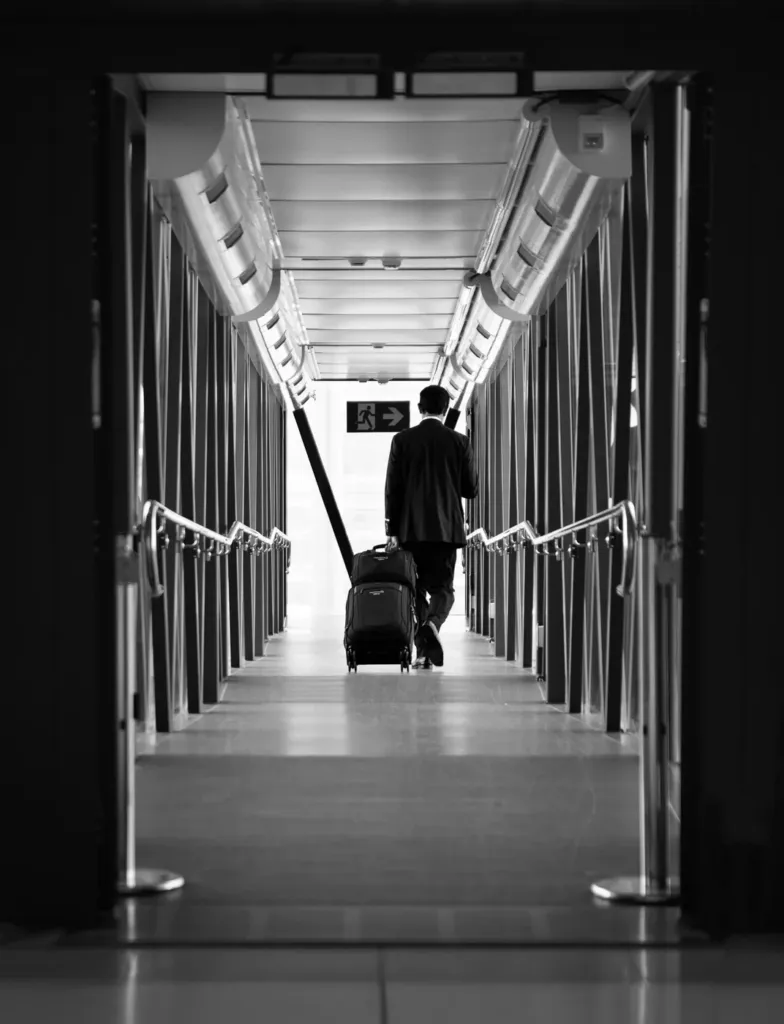
Step 2: flights and ground transport when you travel on a budget
Transport is where flexibility pays most, and it is the part of how to travel on a budget where hidden costs hide most often.
- Be flexible with dates and airports. Move your departure by a day or two and compare nearby airports before you accept a fare. Sometimes a connection costs less than a direct flight, at the price of time.
- Compare the total price. Check whether checked bags, seat selection and other extras are charged separately, and add them to the fare before you compare two airlines.
- Consider travelling light. A carry-on bag can avoid a checked-bag charge. If you carry liquids, the TSA liquids rule allows a quart-sized bag of containers of 3.4 ounces (100 millilitres) or less per item in your carry-on, and larger containers must go in checked baggage.
- Know whether you are buying from the airline or from an app. The FTC notes that it can affect refunds, travel points and the price of changing or cancelling a flight, and that you should know whether you are buying a ticket or only making a reservation.
- Use land and water transport where it fits. Buses, trains and ferries are often slower than flying but can lower the cost of a leg and let you see the country between two cities.

What the US refund rules say
The US Department of Transportation states that you are entitled to a refund of the ticket price if the airline cancels a flight, whatever the reason, or significantly changes or delays it, and you choose not to travel or accept credits or vouchers.
A significant change includes a departure or arrival 3 hours or more earlier or later on a domestic itinerary, or 6 hours or more on an international one, a different airport, an added connection or an involuntary downgrade. Airlines must tell you about your right to a refund. If you buy a non-refundable ticket and simply decide not to fly, or you arrive late, you are generally not entitled to a refund when the flight operates as scheduled.
If you choose to take a significantly changed flight, you are not entitled to a refund under these rules.

Step 3: where to sleep for less
Lodging is the second big block in how to travel on a budget, and the easiest place to be surprised by a total.
The FTC states that the price you see for short-term lodging, such as hotel rooms or vacation rentals, has to include all the required fees the seller knows about upfront. If other fees apply that cannot be calculated in advance, such as taxes, the seller must tell you before asking for your final payment. Use that to your advantage: compare final prices, not nightly rates.
| Choice | Can save money when | Watch out for |
|---|---|---|
| Simple hotel or guesthouse | You mostly sleep there and spend the day outside | Distance from transport, extra fees at the end |
| Apartment or rental with a kitchen | You stay several nights and cook some meals | Cleaning and service fees, the host’s rules |
| Hostel or shared room | You travel light and do not need privacy | Noise, security of your belongings |
| Staying a little outside the centre | A reliable bus or train line is close | Daily transport cost and travel time |
Before paying for a rental, search online for the property’s address together with the name of the owner or rental company. The FTC warns that if other ads come up for the same address with a different owner, it is probably a scam, and that a listing missing from the rental company’s own website is likely one too. Get the cancellation and refund policy in writing before you pay.
In short, how to travel on a budget when you book a room is to compare final prices and keep the cancellation terms in writing.
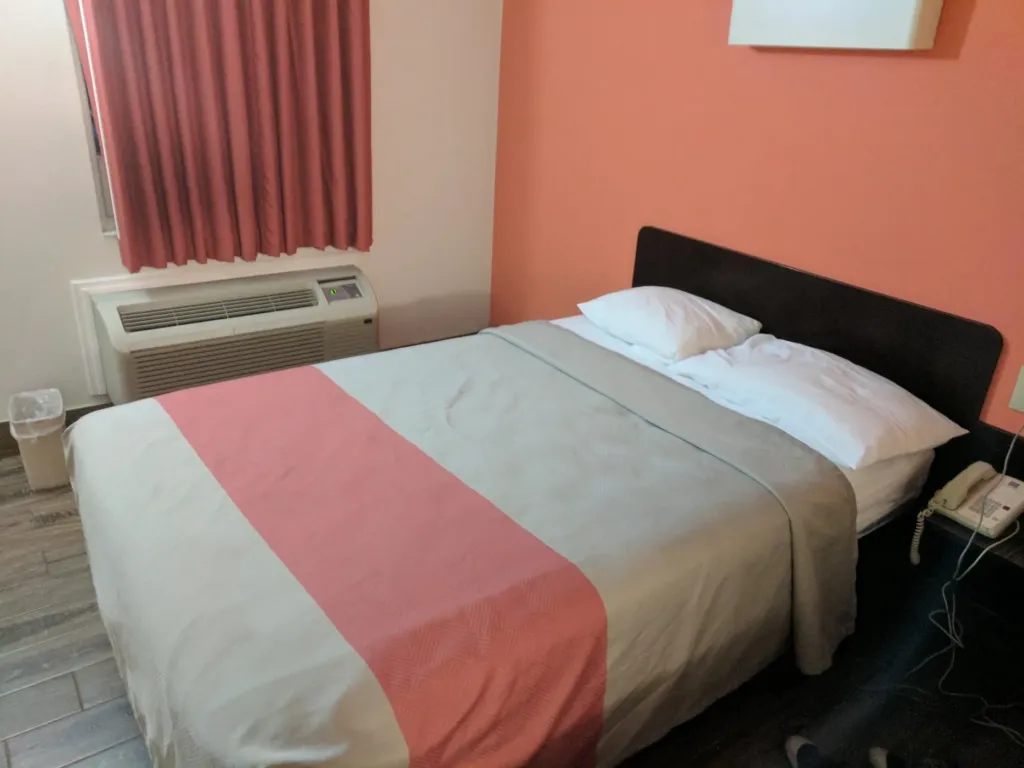
Step 4: eat and get around cheaply
Daily costs add up quietly, so how to travel on a budget day to day comes down to a few default choices you stop debating.
- Make one meal the main meal out and keep the others simple. A market, bakery or street stall can cost less than a sit-down meal at peak hours.
- Cook sometimes. A kitchen or even a fridge lowers the cost of breakfast and snacks on a longer stay.
- Walk, then use public transport. Look at the local pass or multi-ride ticket before you arrive, and compare it with single tickets for your actual plan.
- Mix free and paid. Parks, viewpoints, markets, churches and walking routes can fill the days between the sights that cost money.
- Carry a refillable bottle. Check whether the local tap water is considered safe to drink before you rely on it.
That is how to travel on a budget day to day: a few sensible defaults rather than constant willpower.

Step 5: pay smart and avoid travel scams
How you pay changes both what you pay and what you can recover if something goes wrong, and it is a part of how to travel on a budget that people often forget.
- Ask about card fees before you go. The Consumer Financial Protection Bureau notes in its credit card guide that if you travel overseas frequently, you may consider a card with a lower or no foreign transaction fee. Ask your card issuer what applies to purchases and cash withdrawals abroad.
- Treat the payment method as a warning sign. The FTC’s travel advice says not to pay anyone who says you can only pay with wire transfers, gift cards or cryptocurrency, and that a payment-app-only demand is probably a scam. If something goes wrong with those payments there is likely no way to track or recover the money.
- Be wary of the word free. A vacation that is free only after you pay fees and taxes is not free. A legitimate company does not ask you to pay for a free prize.
- Do not sign or pay before you know the terms. Get the cancellation and refund policies first, and walk away if you cannot, or if you are pushed to decide fast.
- Research the company. Search its name with the words scam, review or complaint, and confirm that a property address really exists.
- Beware imposter document sites. The FTC warns about sites that copy official visa, passport or other document pages and charge high fees, including for services that are free on the State Department’s own website. For an International Driving Permit, the State Department authorises only two organisations in the United States: AAA and AATA.
Paying safely is part of how to travel on a budget: a scam costs more than any discount saves.
Step 6: paperwork, health and safety that cost little
These items are the cheap end of how to travel on a budget: they rarely cost much when done early and can cost a lot when done late.
- Check your passport. Look at the expiry date and the rules of your destination as soon as you start planning, not the week before you leave.
- Book a travel health visit early. The CDC advises making an appointment with a healthcare provider or travel health specialist at least 4 to 6 weeks before you leave, checking the CDC page for your destination, and bringing a copy of your official immunisation records. Some vaccines need several doses, so it is best to go as soon as possible.
- Enrol in STEP if you are a US citizen or national. The State Department’s Smart Traveler Enrollment Program is a free service that lets you enrol your trip abroad so the Department can contact you in an emergency. It also gives you updates about health, weather, safety and security for your destination, and the page says it takes about 5 minutes.
- If you buy travel insurance, check that the agency is licensed. The FTC points to the US Travel Insurance Association website for that check, and recommends taking a copy of your insurance card on the trip.
- Keep digital and paper copies of your passport, bookings and emergency contacts, stored separately from the originals.
Doing the paperwork early is the cheapest way to travel on a budget without gambling on the last week.
Common mistakes when you try to travel on a budget
| Mistake | Why it costs you | Better move |
|---|---|---|
| Comparing headline prices | Fees and extras change the real ranking | Compare totals with every extra added |
| Booking the cheapest non-refundable option without a plan B | You are generally not entitled to a refund if the flight operates and you do not fly | Weigh the saving against the risk of changing plans |
| Choosing lodging far away to save a little | Daily transport can cancel the saving | Price the commute before you book |
| Paying by an unusual method on request | You may not be able to recover the money | Refuse wire transfers, gift cards, crypto and payment-app-only deals |
| Leaving health and paperwork to the last week | Short notice limits your options | Start 4 to 6 weeks ahead |
| Skipping a daily budget | Small purchases drift upward unnoticed | Check the number every evening |
Practical budget travel tips to keep on every trip
Most of these mistakes come from asking how to travel on a budget only after booking, not before.
- Add these budget travel tips to your notes: write your daily budget on your phone’s lock-screen note and update it each evening.
- Book flexible or refundable options when your plans are uncertain, and accept that they cost more.
- Choose one splurge per trip, and save on the rest around it.
- Photograph your bookings and confirmation numbers so you do not depend on a data connection.
- Travel in shoulder periods when it suits you, and compare dates before you settle on one.
How to travel on a budget: frequently asked questions
How do I start planning a trip on a budget?
Decide the total you will spend, subtract the fixed costs of transport and lodging, and divide the rest by the number of days. That gives you a daily budget for food, local transport and activities. Keep a small margin for surprises.
Is it cheaper to travel in the off-season?
Prices for flights and rooms can differ by season, but the difference depends on the destination, so compare your dates in the search tools before deciding. Also check weather, closures and opening hours at the time you plan to go.
What are my rights if an airline cancels my flight?
Under US Department of Transportation rules you are entitled to a refund of the ticket price if the airline cancels a flight, whatever the reason, and you choose not to travel or accept credits or vouchers. A significant change, such as a schedule shift of 3 hours or more domestically or 6 hours or more internationally, a different airport or an added connection, also qualifies. Airlines must tell you about this right.
Should I buy from the airline or from a booking app?
Either can work, but know which one you are buying from. The FTC notes that it can affect refunds, travel points and the price of changing or cancelling a flight, and that you should know whether you are buying a ticket or only making a reservation.
How can I avoid a vacation rental scam?
Search online for the property’s address together with the owner’s or rental company’s name. If other ads appear for the same address with a different owner, it is probably a scam, and so is a listing missing from the rental company’s own website, according to the FTC. Get the cancellation and refund policy in writing before you pay.
How far ahead should I see a doctor before an international trip?
The CDC advises making an appointment with a healthcare provider or travel health specialist at least 4 to 6 weeks before you leave, checking its page for your destination and bringing a copy of your official immunisation records. Some vaccines need several doses, so go as soon as you can.
Is it free to register my trip with the US government?
Yes for US citizens and nationals: the State Department describes the Smart Traveler Enrollment Program (STEP) as a free service. You enrol your trip so the Department can contact you in an emergency, and you get updates about your destination. The page says it takes about 5 minutes.
Can I take toiletries in a carry-on bag?
The TSA allows a quart-sized bag of liquids, aerosols, gels, creams and pastes in your carry-on, in containers of 3.4 ounces (100 millilitres) or less per item. Larger containers go in checked baggage, and medications and infant nourishment are exempt.
Conclusion: how to travel on a budget is a set of small, early decisions
Learning how to travel on a budget comes down to an order of operations. Set the daily budget, compare the total cost of getting there and sleeping, protect yourself with a payment method and a refund policy you understand, and do the inexpensive paperwork early. The rest is habit: one main meal out, a local pass, a margin kept for surprises. Start with the next trip you are considering and apply just the first two steps. That alone changes the comparison you make before you click “book”.
Sources: TSA, Liquids, Aerosols, and Gels Rule · US Department of Transportation, Refunds · FTC, Avoid Scams When You Travel · CFPB, Know Before You Owe: Credit cards · CDC, Need travel vaccines? Plan ahead · US Department of State, Smart Traveler Enrollment Program.